News
Jun 02, 2026
Bridging the Gap Between Next-Generation Wireless Transmitters and Quantum Computing Hardware
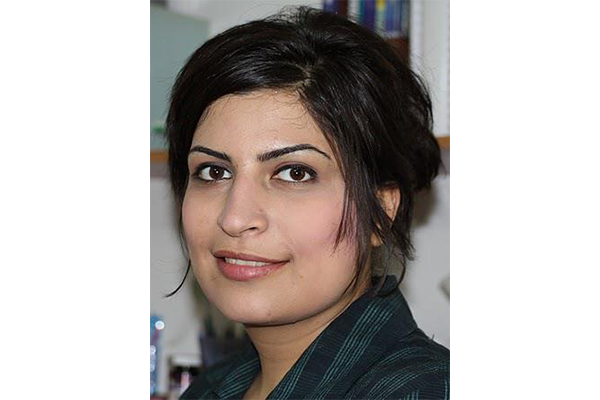
ECE Assistant Professor Najme Ebrahimi’s research on “Direct Digital-to-Physical Synthesis: From Millimeter-Wave Transmitter to Qubit Control” was one of the featured articles in the IEEE Microwave Magazine.
Jun 02, 2026
Weng Wins ASPB Charles Albert Shull Award
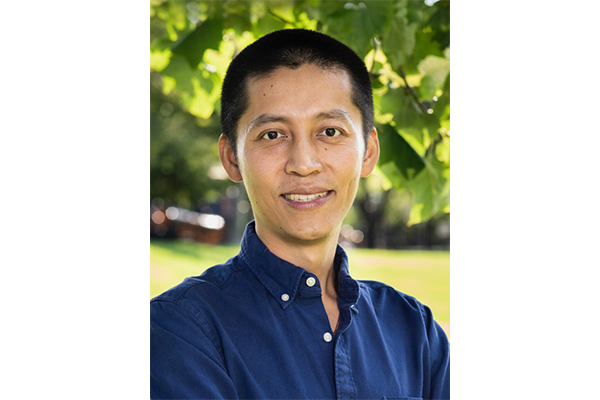
COS/BioE Professor Jing-Ke Weng has been selected as the recipient of the annual Charles Albert Shull Award from the American Society of Plant Biologists (ASPB).
Jun 02, 2026
NIH Trailblazer Award Funds Electro-Optic Sensors for Safer Surgical Interventions
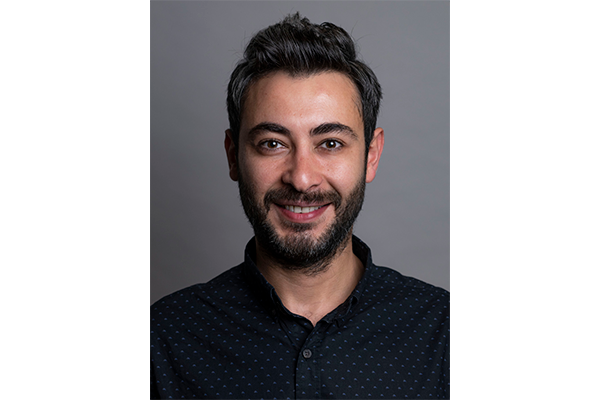
ECE Assistant Professor Soner Sonmezoglu is leading a $668K NIH Trailerblazer Award for “Fully Integrated Electro-Optic Sensor for Real-Time MRI Guided Interventions” from the National Institute of Biomedical Imaging and Bioengineering.

Jun 02, 2026
NSF CAREER Award for Networked 4D Spatial Intelligence Architecture
ECE Assistant Professor Mallesham Dasari was awarded a $623K NSF CAREER award for “A Networked 4D Architecture and Systems Foundation for Spatial Intelligence.”
Jun 02, 2026
Zheng Appointed Chair of Optica Photonic Metamaterials Technical Group
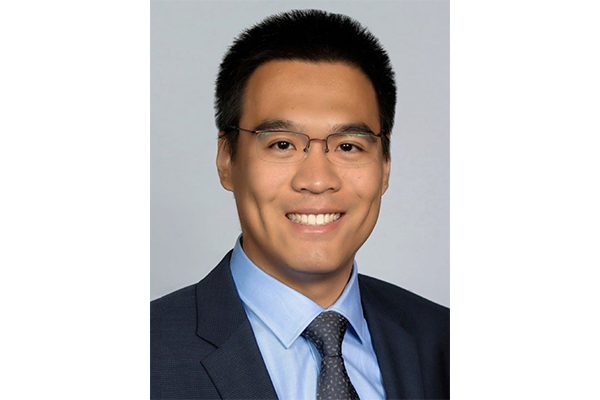
MIE Associate Professor Yi Zheng has been invited to serve as the chair of the Photonic Metamaterials (PM) Technical Group for a three-year term running through December 2028.
Jun 01, 2026
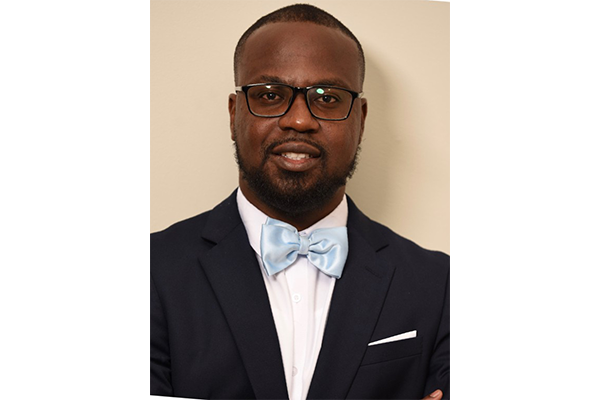
Grit, Science, and Good Hands
Victus Kordorwu, PhD’26, chemical engineering, is a graduate researcher at the Advanced Drug Delivery Research and Lustig Lab at Northeastern. Driven by grit and a belief in science as a force for human good, he hopes to bridge academic research and industry experience to make an impact in the biopharmaceutical field—in the United States, Ghana, and beyond.
Jun 01, 2026
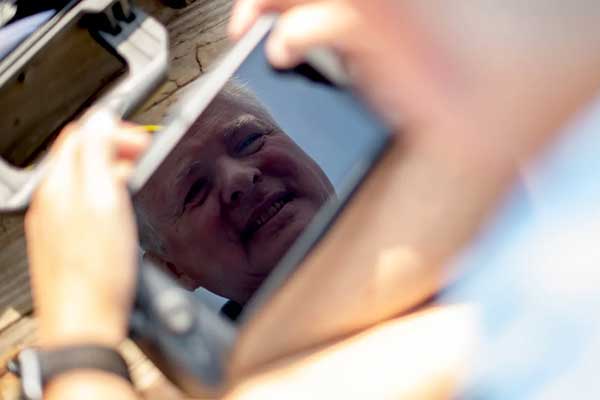
Fulbright-Bound: How a Northeastern Professor Is Using Robots to Unlock Iceland’s Ancient Hydrothermal Vents
Second-time Fullbright recipient and MES/CEE Professor Mark Patterson has plans to study the hydrothermal vents of Iceland, hoping to examine how the marine ecosystem is responding to microplastics and ocean acidification.
Jun 01, 2026
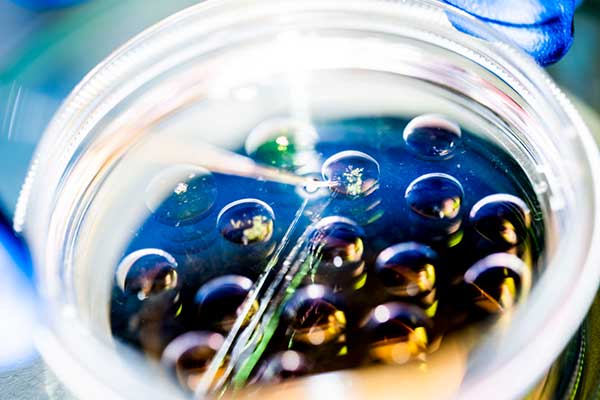
Two Northeastern Students Helping Increase IVF Success Through Co-op
Two Northeastern students––Jake Percival, E, mechanical engineering and bioengineering, and Tori Christianson, E, chemical engineering and bioengineering––are completing their co-ops at AutoIVF. They are working on a device that can find “hidden” egg cells in follicular fluid, helping to increase the chance of successful IVF by increasing the number of eggs retrieved.